Editor’s note: This post was originally published on October 21, 2020. While we understand it’s far too late for some of you, we hope we can aid prepare you for approaching weather.
I could practically listen to Will Robbins grinning at the other end of our telephone conversation. I ‘d just shared the story of how a collection of Bridgestone Blizzak wintertime tires had actually changed a Mazda Miata from a tool of danger that had actually just spun on an icy interstate into a vehicle snowmobile.
He stated he’s heard comparable tales from dozens of individuals.
“A great deal of tire things is truly subtle,” said the senior item manager for Bridgestone’s Blizzak winter tire line, “but you never obtain the ‘aha’ minute like you do when they drive on all-season or summertime tires and afterwards placed Blizzaks on their automobile.”
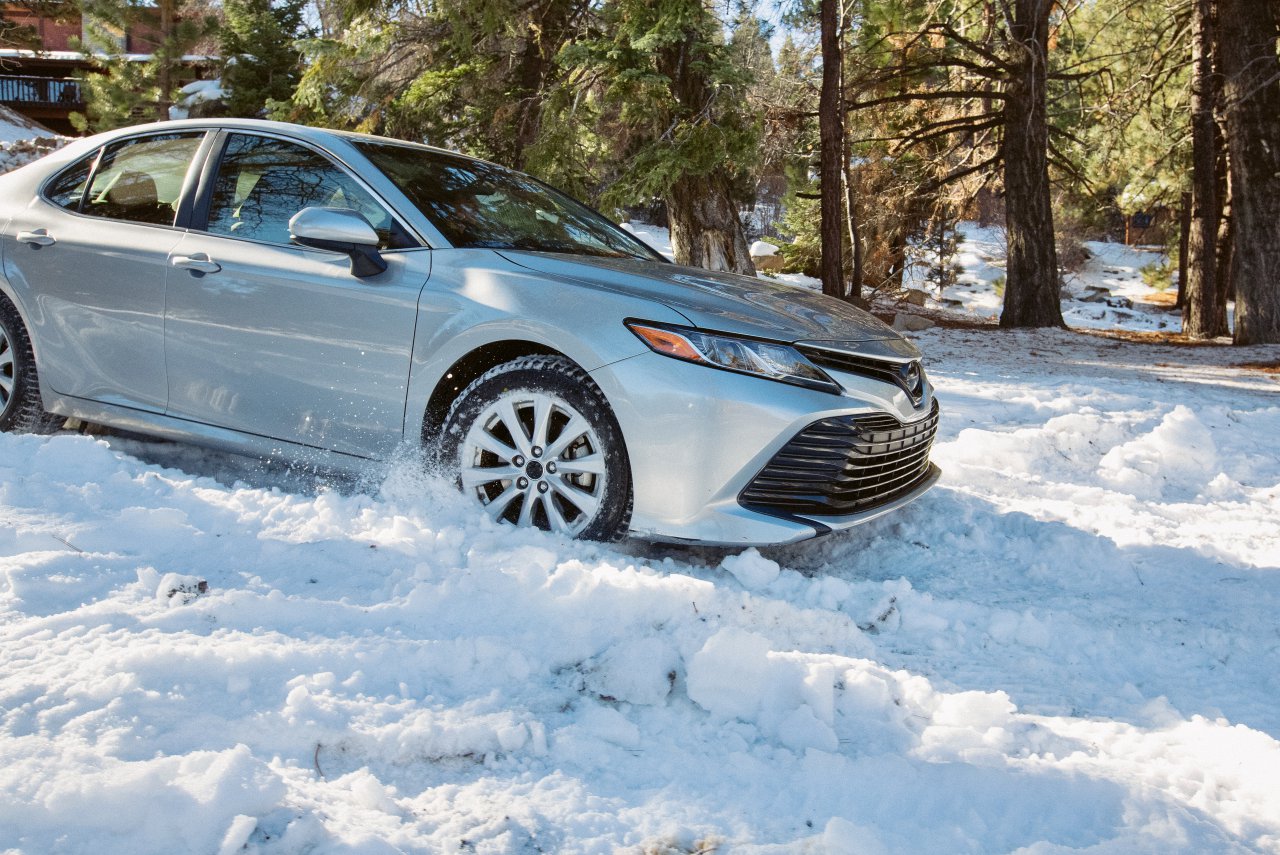
Or as Matt Edmonds, an exec with TireRack.com, a significant nationwide tire store with a comprehensive internet site of tire examinations as well as customer feedback, notes, four-wheel or four-wheel drive may obtain you carrying on snow as well as ice, but it won’t always help you transform or stop. Specialized winter months tires will.
Of those tires, Robbins admits that Blizzak has a bulk share of the marketplace.
Nonetheless, he includes, “We have a large target on our back and a lot of rivals have items that are extremely near the Blizzak level of efficiency.”
Undoubtedly, in TireRack’s most recent tire examinations for higher-performance winter months tires, the Michelin Pilot Alpin and Dunlop SP Winter Sport tested Blizzak’s preeminence. In TireRack’s client survey, Blizzak is rated No. 1 with Michein’s X-Ice a close secondly.
By the way, the winter season tire market has come a lengthy means because the days when your father placed a pair of “snow” tires on the back wheels of your family sedan or terminal wagon. Those tires likely had step more suited for offering traction in the snow, but that was about it.
Today, winter months tires not just have specialized walk patterns for digging through snow however sipes that offer an escape for ice resorted to water from the pressure of the automobile’s weight and also from adjustments in temperature level. Modern wintertime tires additionally are produced with compounding designed for winter.
“Summer tires are wonderful for track day,” Robbins clarifies. “The substance is sticky and soft as well as take care of all that warm. Yet it obtains hard and also breakable in the cold. Winter season compounds are developed for the cool atmosphere, even on dry pavement.”
Forty degrees and also below is where winter tires excel, he stated. He suggests that “when you can see your breath,” it’s time to put the Blizzaks on your car.
Oh, and also you placed them on all four wheels, not just those that put power to the sidewalk.
Noting that the overall efficiency of winter season tires has enhanced through the years, Robbins explained that instead of a pair of tires made to boost grip in snow, “today’s winter season tires have such different grip degrees that you require all the axles to be balanced for correct efficiency.”
Yes, it indicates buying an additional set of tires for your vehicle, yet there are a number of benefits to consider beyond boosted safety in winter season. For something, transforming tires suggests you’re not putting as lots of miles on your warmer-weather tires so you’re not replacing them as soon.
For another, you can drive year around in the exact same lorry as opposed to needing to acquire a second automobile with 4-wheel-drive or as was prominent in some locations, a “winter rat”– an economical second automobile bought in the loss, driven through the winter months and then abandoned in the spring, otherwise when it delayed out or ended up being buried throughout a major wintertime snowstorm.
What concerning studs or chains for driving in the wintertime?
“Chains are an useful device wherefore they’re created to do, for emergency circumstances,” Robbins described. “The drawback is, otherwise made use of correctly, chains can do more damage than good,” damaging both road surface as well as tires.
In fact, it was damage brought on by studded tires and chains in Japan that brought about the development of the Blizzak winter tires. Steel chains were prohibited in Japan in the 1980, so Bridgestone set out to establish winter season tires that functioned just as well, and also hence the Blizzak line.
Normally in the tire world, the newest tires are the best as tire companies function to leap-frog each other. Robbins notes that the Blizzak advancement team does not “remain on the success,” however is continually working to improve the item and its cold-weather performance.
The current Blizzak lineup includes:
WS90 for autos and minivans
DM-V2 crossover and also sport utility automobiles as well as light vehicles
LM-25 for cars and trucks outfitted with run-flat tires
LM001/LM -32 for high-performance cars and also coupes
LT for commercial light vehicles and also vans
Costs vary from $91 to $183.
“I do not understand an individual who has been sorry for the purchase,” Robbins said, including that people generally go from taking into consideration Blizzaks to trying them to “Wow! This is impressive!”
One method to have the experience before you purchase a collection is the Bridgestone Winter Driving School in Steamboat Springs, Colorado. The college has been in operation for more than 30 years. It opens when the weather obtains chilly enough, supplies a range of courses taught by skilled experts– numerous with experience in rallying– and also uses a selection of Toyota lorries.
To learn more, check out the Blizzak and also wintertime school websites.